
Our Work

Technically rigorous. Grounded in practice.

Every programme is grounded in evidence, designed for implementation, and shaped by the realities of the people it serves.

Four interconnected focus areas

STAND's work is intersectional by design: gender-based violence, substance-related harms, justice and health meet at the same point. We deliver across four technically demanding areas where the distance between evidence and action is longest.

Focus Area 01

Gender-Responsive Justice and Gender-Based Violence (GBV) Systems Strengthening

Who this is for

Government departments, municipalities, law-enforcement agencies, civil society organisations, and international partners working to strengthen institutional responses to gender-based violence.

What STAND delivers

STAND supports the design and strengthening of gender-responsive justice systems, from referral-pathway mapping and inter-agency coordination to law-enforcement training, survivor-centred protocol development, and district-level accountability mechanisms.

Specific work includes multi-sector GBV coordination support, law-enforcement and multi-agency training design and facilitation, referral-pathway assessment and redesign, GBV accountability-system development, technical writing and policy drafting, and institutional capacity building for frontline and management personnel.

What distinguishes our approach

STAND combines survivor-centred principles with implementation realism. We do not produce frameworks that cannot function in real institutions. Our outputs are tested against the actual capacity, culture, and constraints of the systems that will use them.

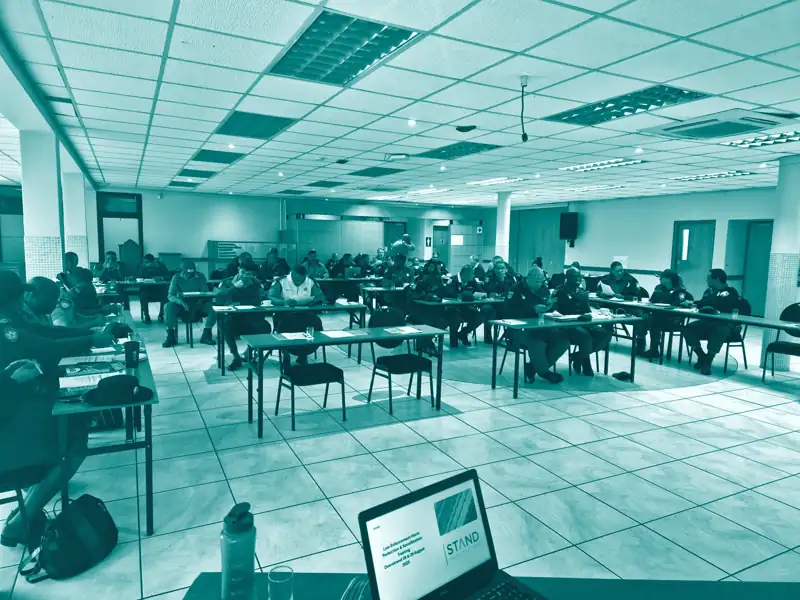
Overstrand Law Enforcement and police officers at STAND's two-day training
OverstrandOverstrand Law Enforcement and South African Police Service officers at STAND's two-day sensitisation training.
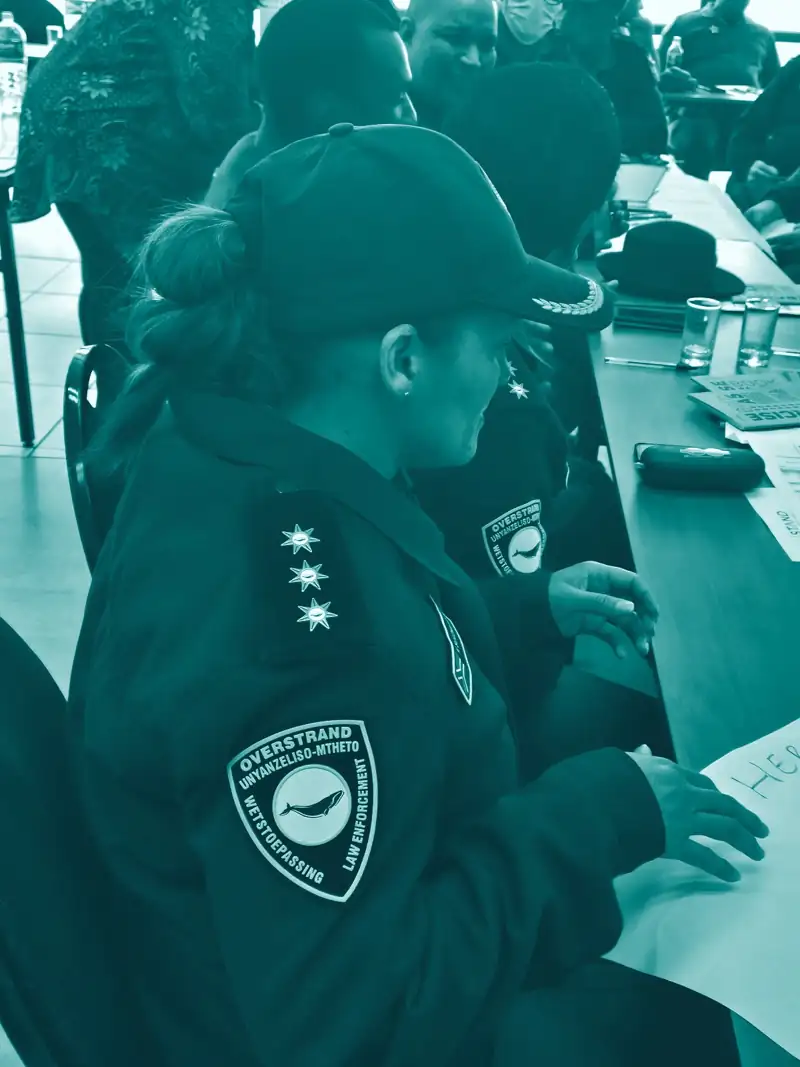
Officer during South African Police Service training in the Overstrand
OverstrandTraining for South African Police Service officers.
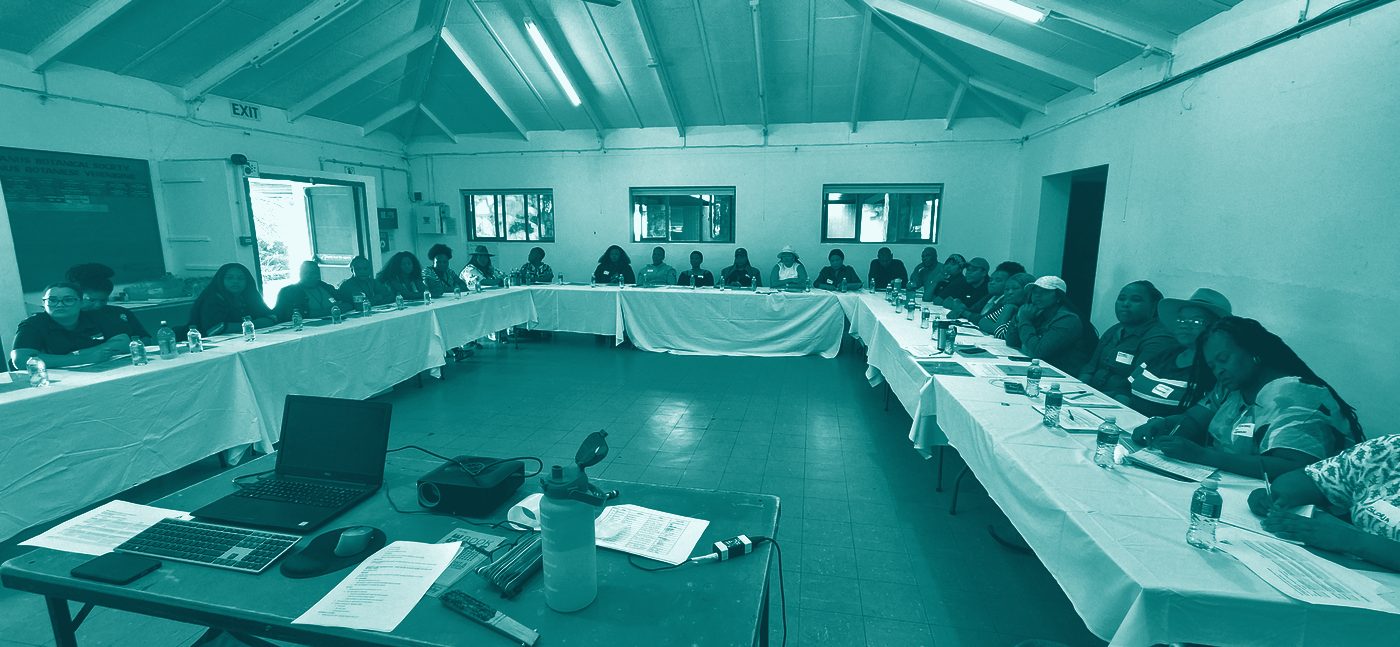
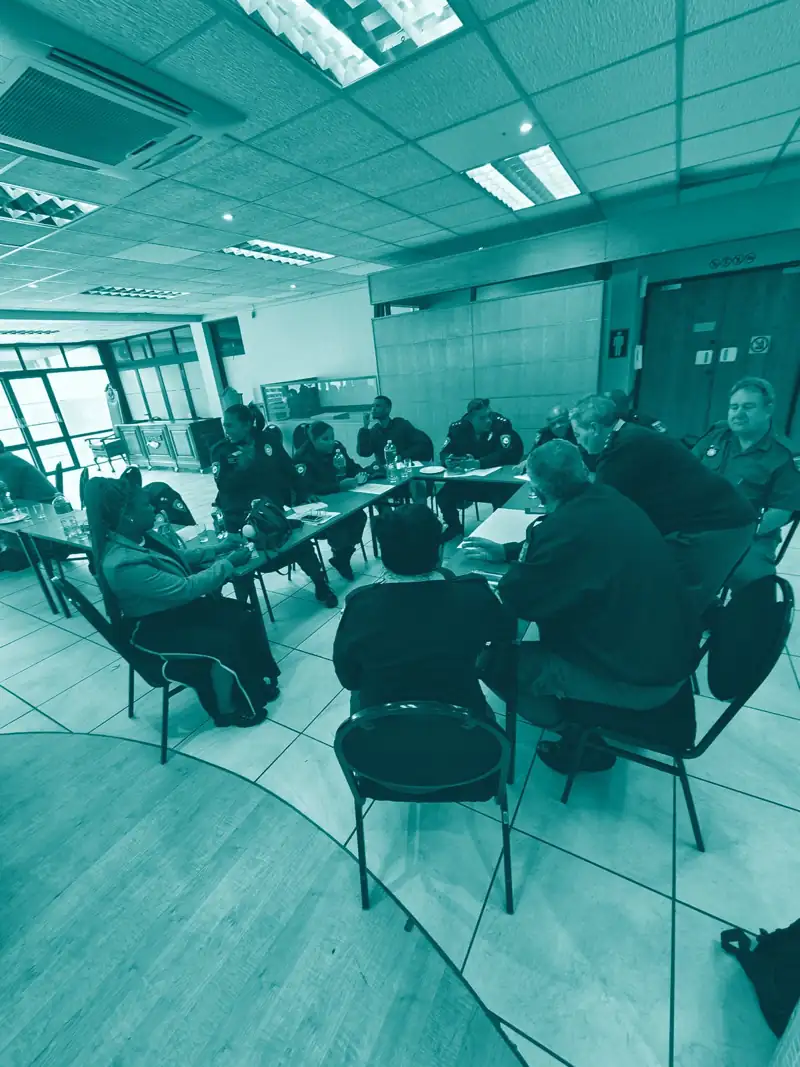
Police and municipal officers in group discussion
Multi-agency trainingPolice and municipal officers in group work.
Focus Area 02

Evidence-Informed Responses to Substance-Related Harms

Who this is for

Health and social-service providers, justice-sector partners, municipalities, and funders working to improve outcomes for marginalised and underserved women, and for populations affected by the intersection of poverty and substance use.

What STAND delivers

STAND develops and supports public-health-oriented, rights-based responses to substance-related harms, with particular expertise in the intersection of substance use, gender-based violence, and justice involvement.

Specific work includes needs assessments and service-landscape analysis, training for health, law enforcement, justice and social services personnel, development of human-centred and gender-responsive service protocols, policy engagement and technical advocacy, systems design for integrated care pathways, and programme evaluation and learning.

What distinguishes our approach

STAND understands the full continuum, from harm reduction through to abstinence-oriented approaches. We meet people where they are, without stigma, and support them to move towards health and wellness as their circumstances allow. We design for what the evidence and the context require, never defaulting to a single framework.

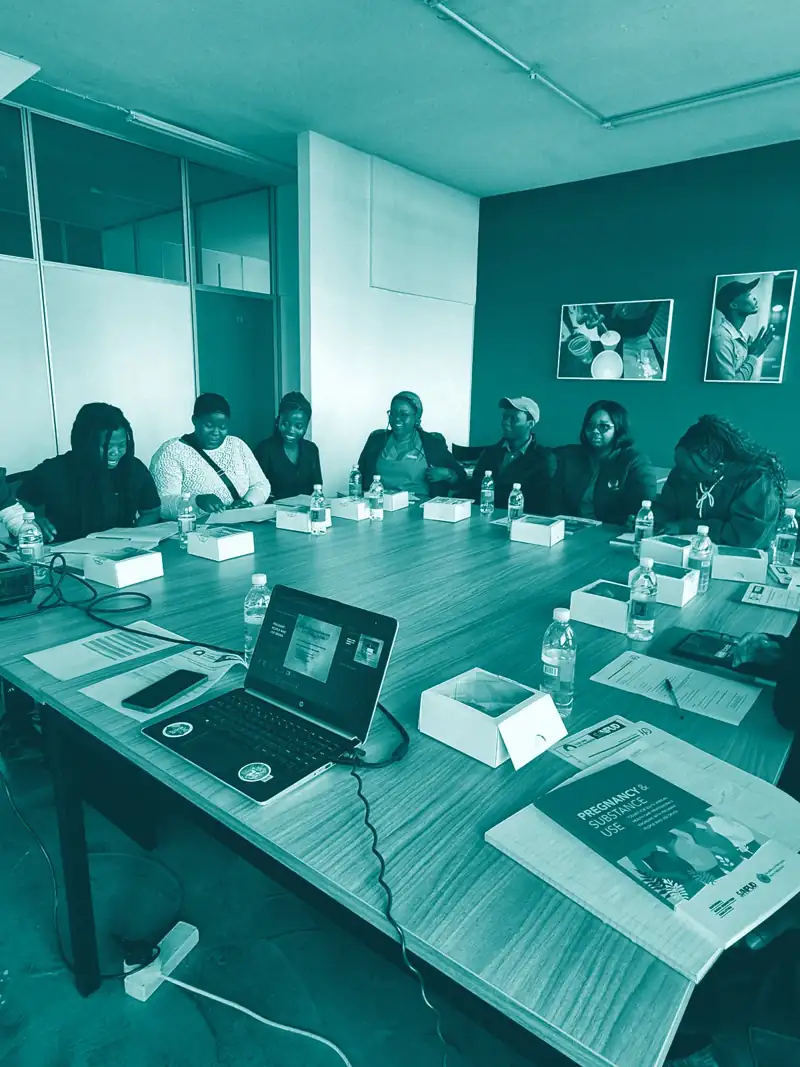
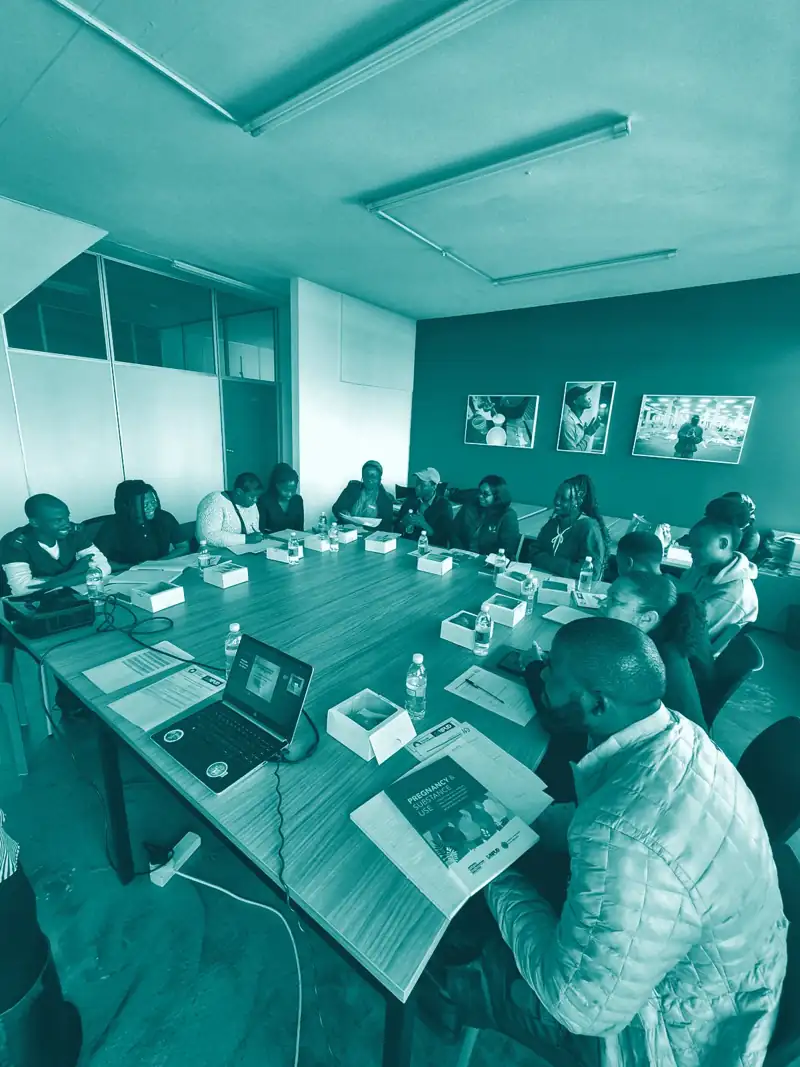
Health workers around a table with the Pregnancy and Substance Use Toolkit
Pregnancy and Substance Use ToolkitTraining with health workers.
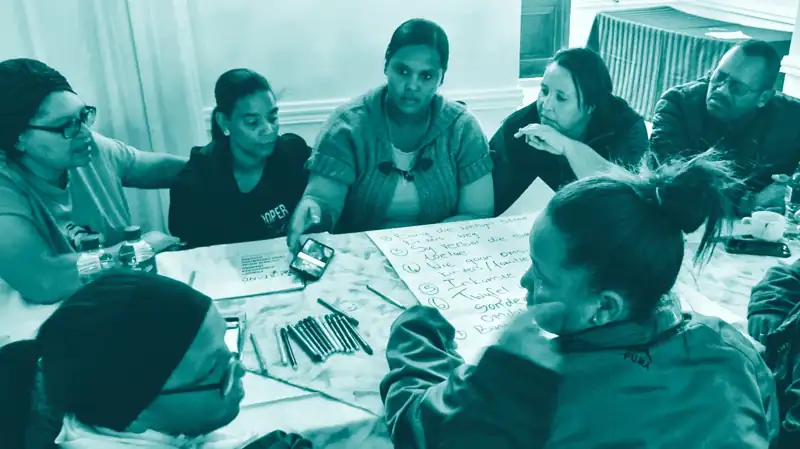
Practitioners in group work during a harm-reduction training
Harm-reduction trainingFor health and social services practitioners.
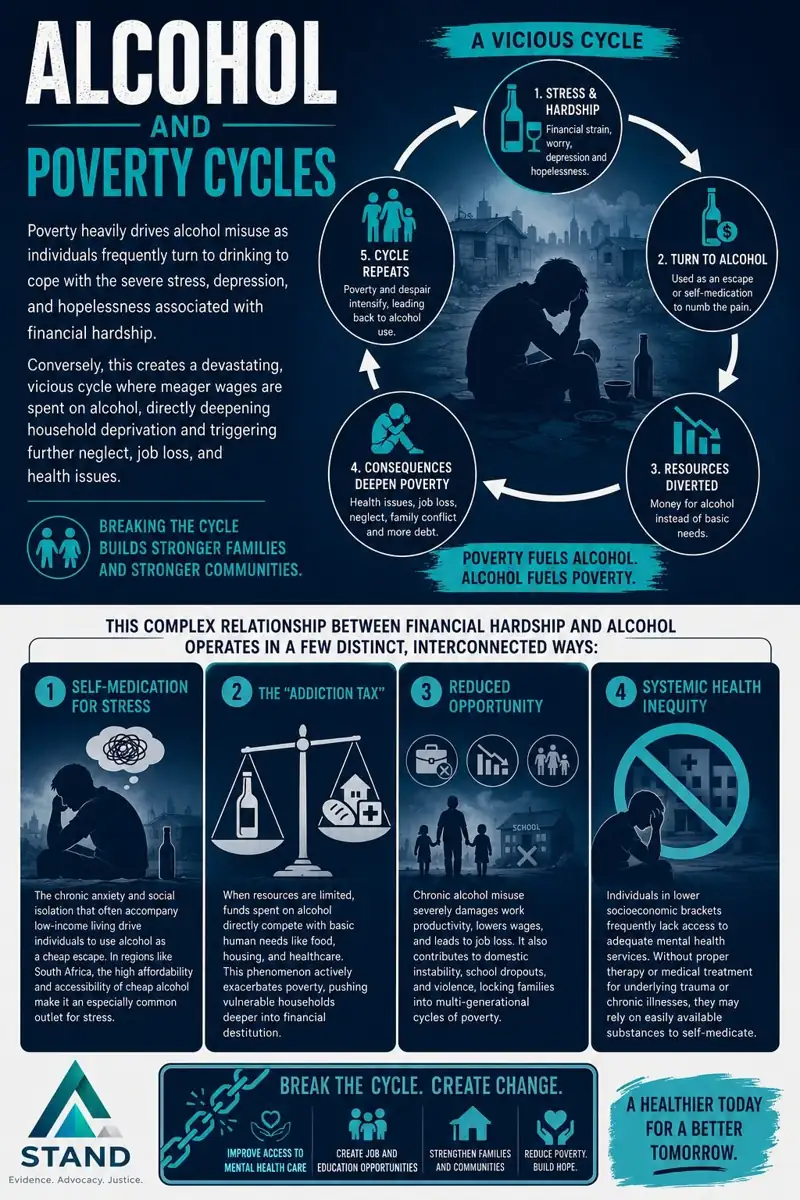
STAND infographic on the alcohol and poverty cycle
Community resourceThe alcohol and poverty cycle, developed for GBV ambassadors to share through their elected representatives.
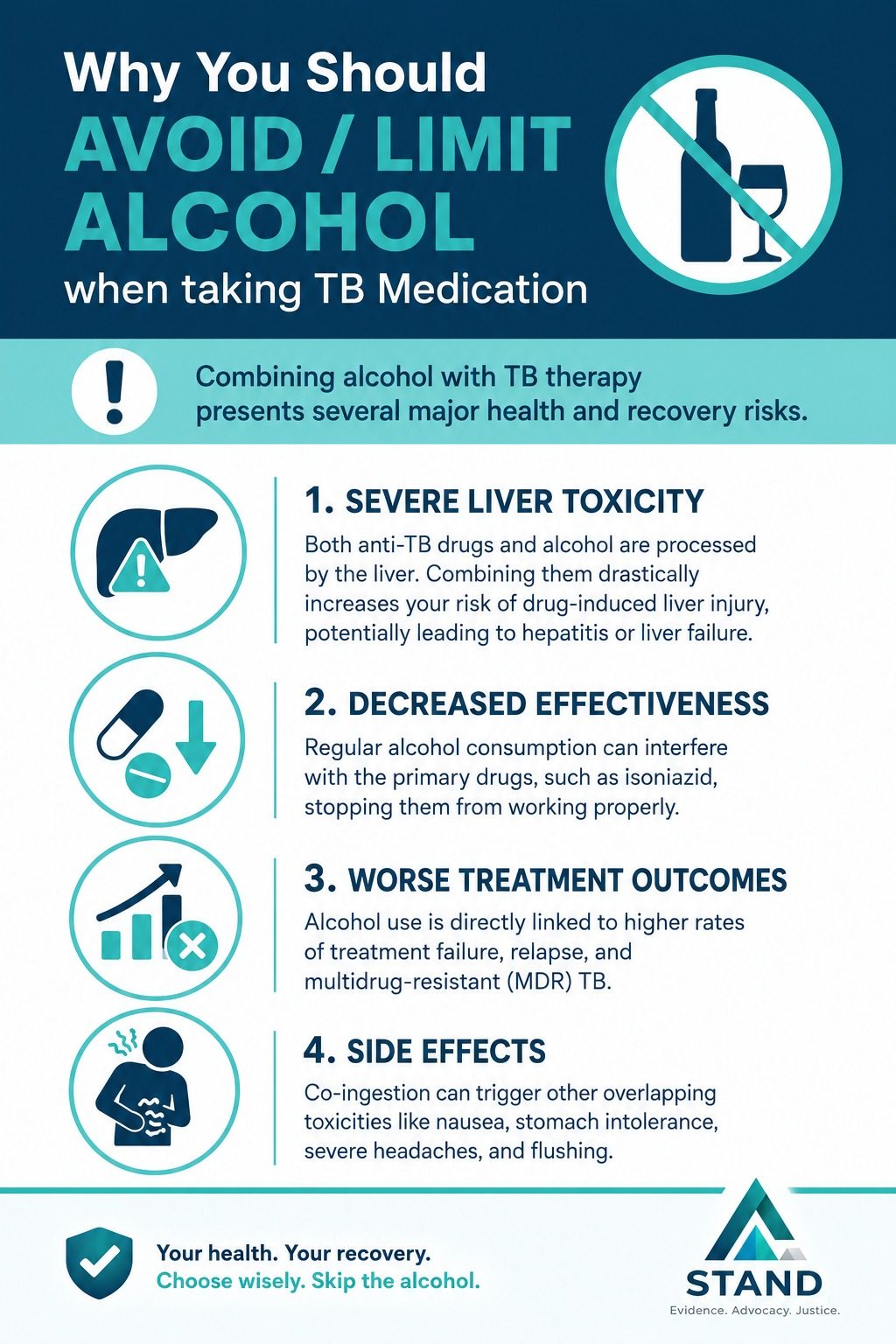
STAND poster on avoiding alcohol when taking TB medication
Community resourceWhy you should avoid or limit alcohol when taking TB medication.
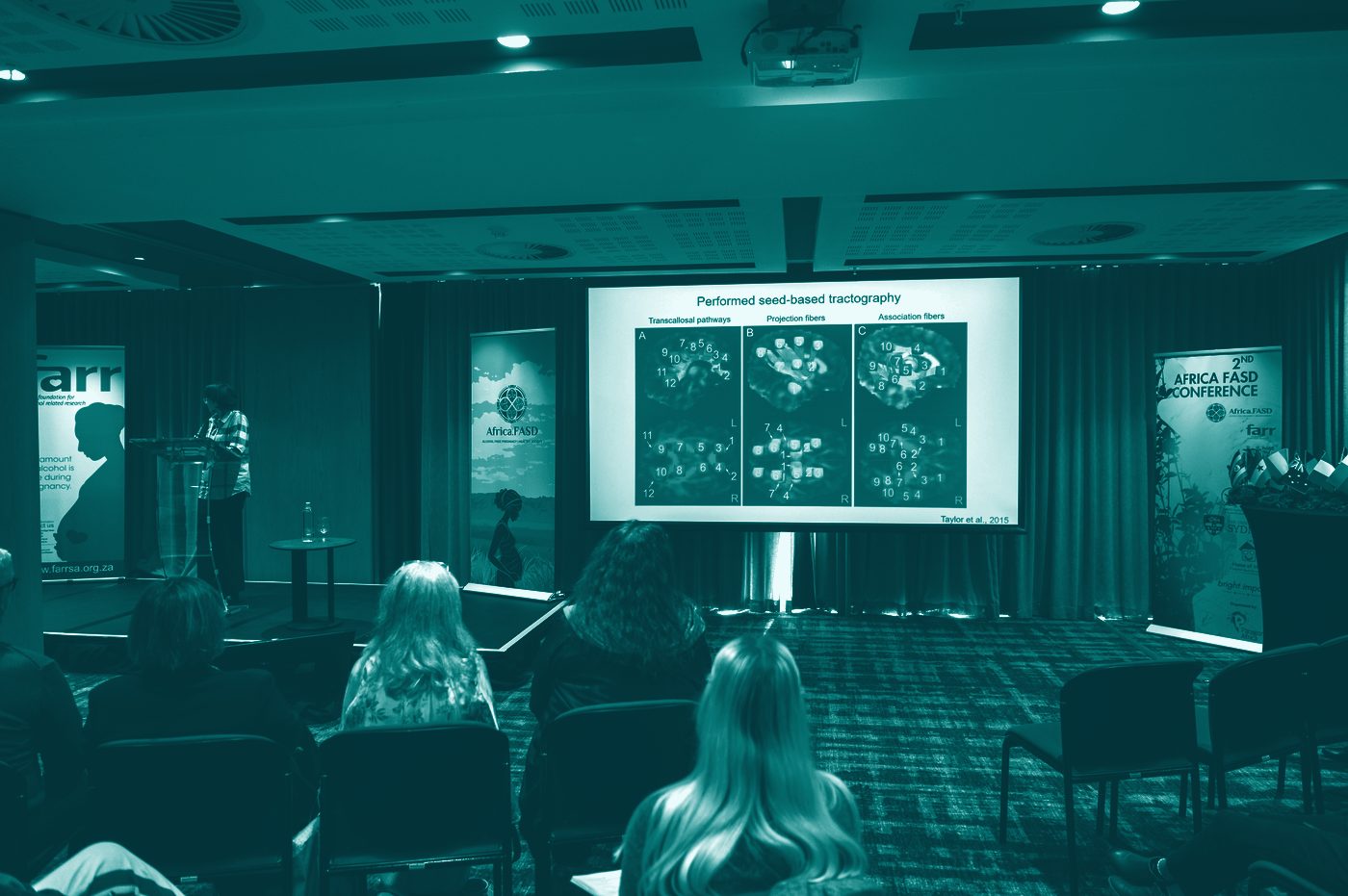
Delegates at the Africa FASD Network and FARR Conference
Africa FASD Network and FARR2nd Africa Fetal Alcohol Spectrum Disorder (FASD) Network and Foundation for Alcohol Related Research (FARR) Conference.
Speakers on stage at the Africa FASD Network and FARR Conference
Africa FASD Network and FARR2nd Africa Fetal Alcohol Spectrum Disorder (FASD) Network and Foundation for Alcohol Related Research (FARR) Conference.
Focus Area 03

Systems Strengthening and Multi-Sector Coordination

Who this is for

Governments, municipalities, international agencies, and civil-society networks working to improve coordination, reduce service fragmentation, and strengthen accountability across sectors.

What STAND delivers

STAND designs and implements coordinated response systems, helping institutions move from fragmented, siloed operations to practical, accountable, multi-sector action.

Specific work includes inter-agency coordination framework design, stakeholder mapping and systems analysis, referral-pathway development and formalisation, monitoring and accountability system design, facilitation of multi-sector coordination processes, and technical drafting of coordination protocols and tools.

What distinguishes our approach

STAND has direct implementation experience across district, municipal, and national levels. We understand how coordination works, and how it fails. Every framework we produce is designed to survive contact with real institutions and real constraints.

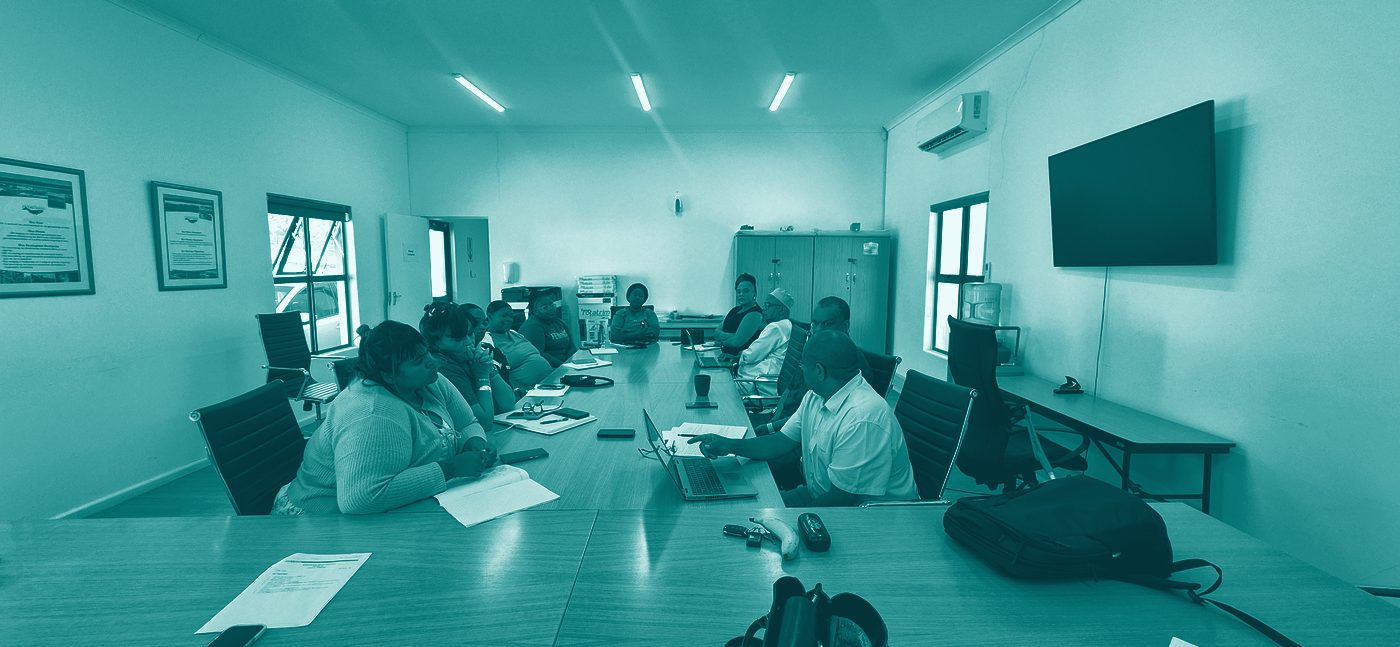
Partners around the table at a Violence Prevention Unit meeting
Violence Prevention UnitMeeting with the Violence Prevention Unit.
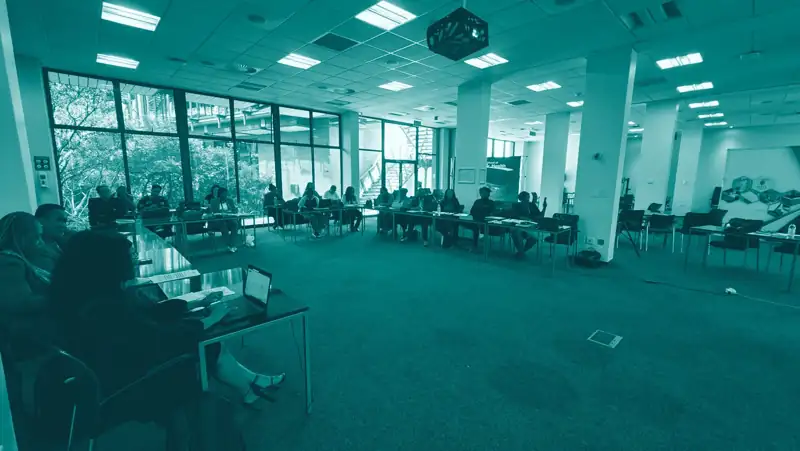
Participants in small-group work at the INTERPOL and SARPCCO regional workshop
INTERPOL and SARPCCORegional Drug Trafficking, Gender Imbalance and Harm Reduction Workshop, hosted at the University of the Witwatersrand School of Public Health, Johannesburg.
Delegates in the training room at the regional workshop
INTERPOL and SARPCCORegional Drug Trafficking, Gender Imbalance and Harm Reduction Workshop, hosted at the University of the Witwatersrand School of Public Health, Johannesburg.
Focus Area 04

Alternatives to Incarceration and Restorative Justice

Who this is for

Justice-sector partners, government departments, civil-society organisations, and international funders supporting diversion, restorative practice, and community-based justice responses.

What STAND delivers

STAND provides technical support for the development and implementation of evidence-based alternatives to incarceration, including diversion frameworks, restorative-justice programme design, and institutional capacity building for justice-sector personnel.

Specific work includes diversion framework development and review, restorative-justice programme design, technical writing and policy engagement, institutional capacity building for justice and social-work personnel, and monitoring and learning support.

What distinguishes our approach

STAND operates at the evidence-policy-practice interface, engaging both the research base and institutional realities to produce outputs that are analytically grounded, operationally feasible, and appropriately calibrated for the conditions in which they will run.

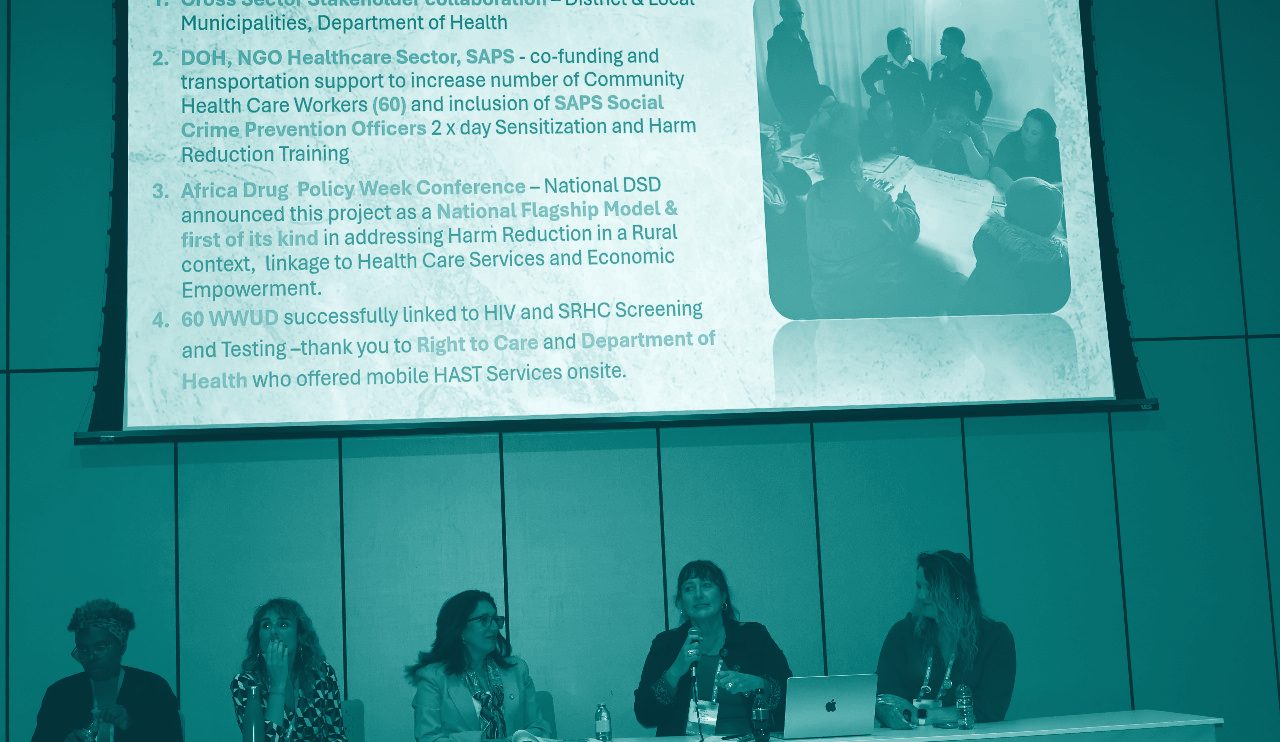
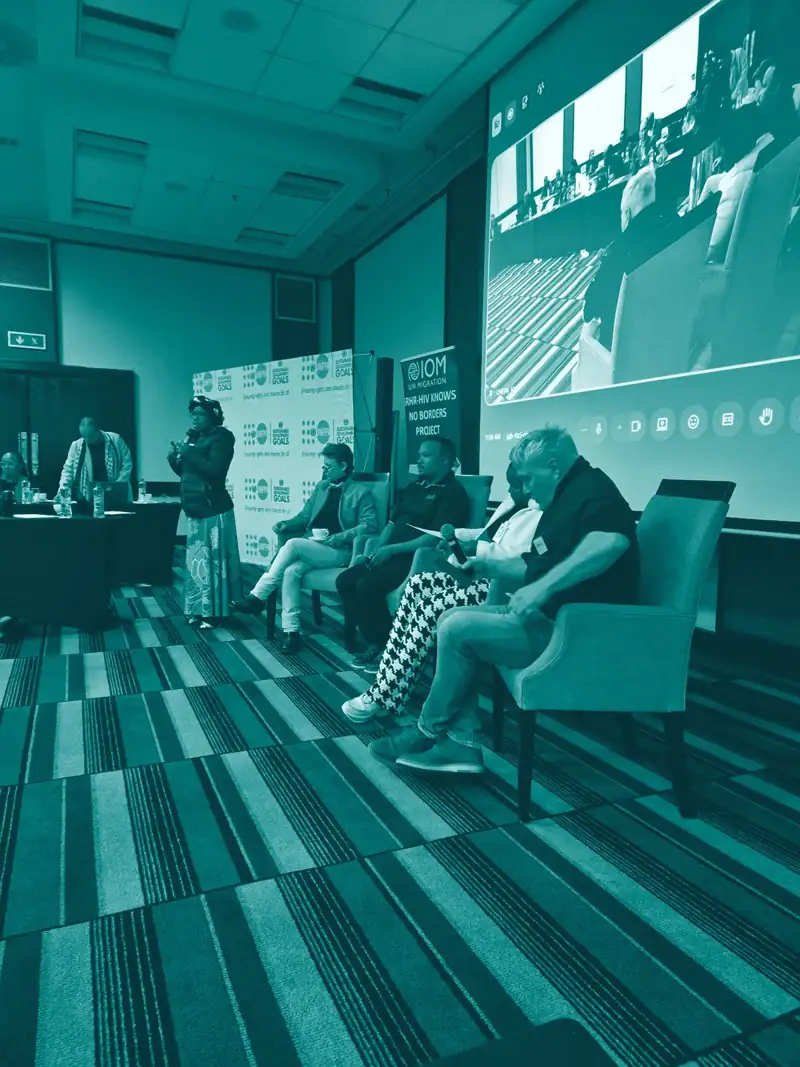
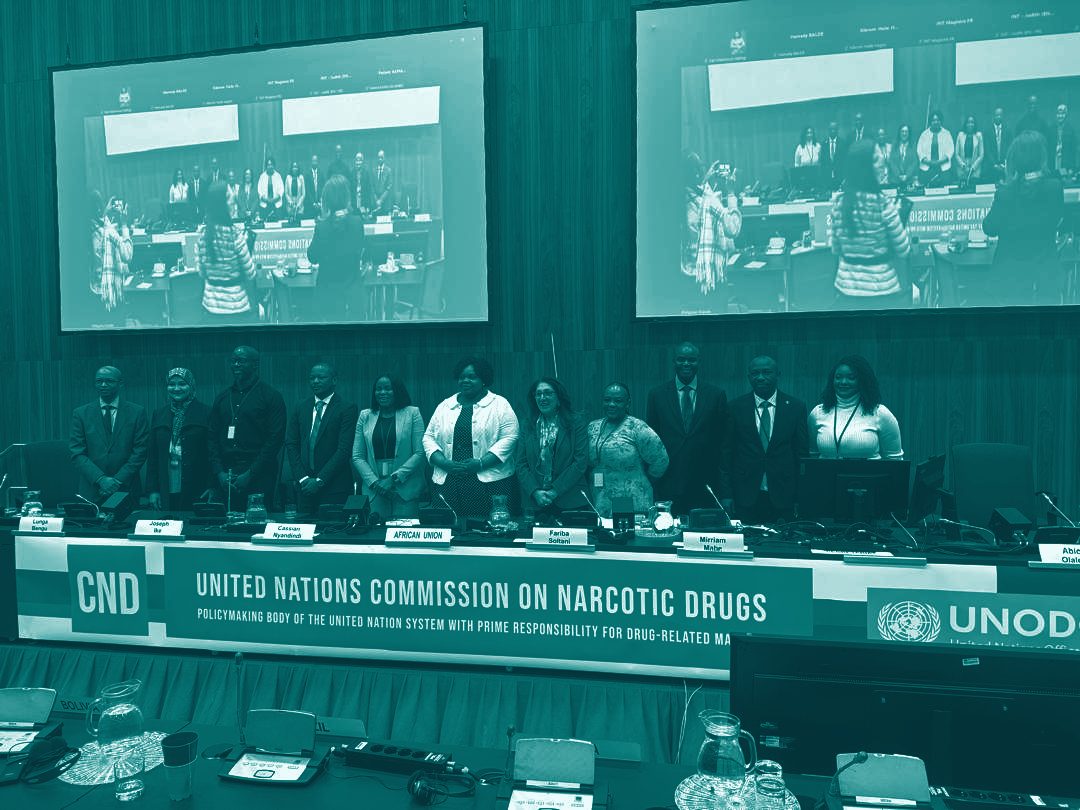
Delegates on stage at the United Nations Commission on Narcotic Drugs
CND, Vienna68th Commission on Narcotic Drugs, United Nations Vienna.
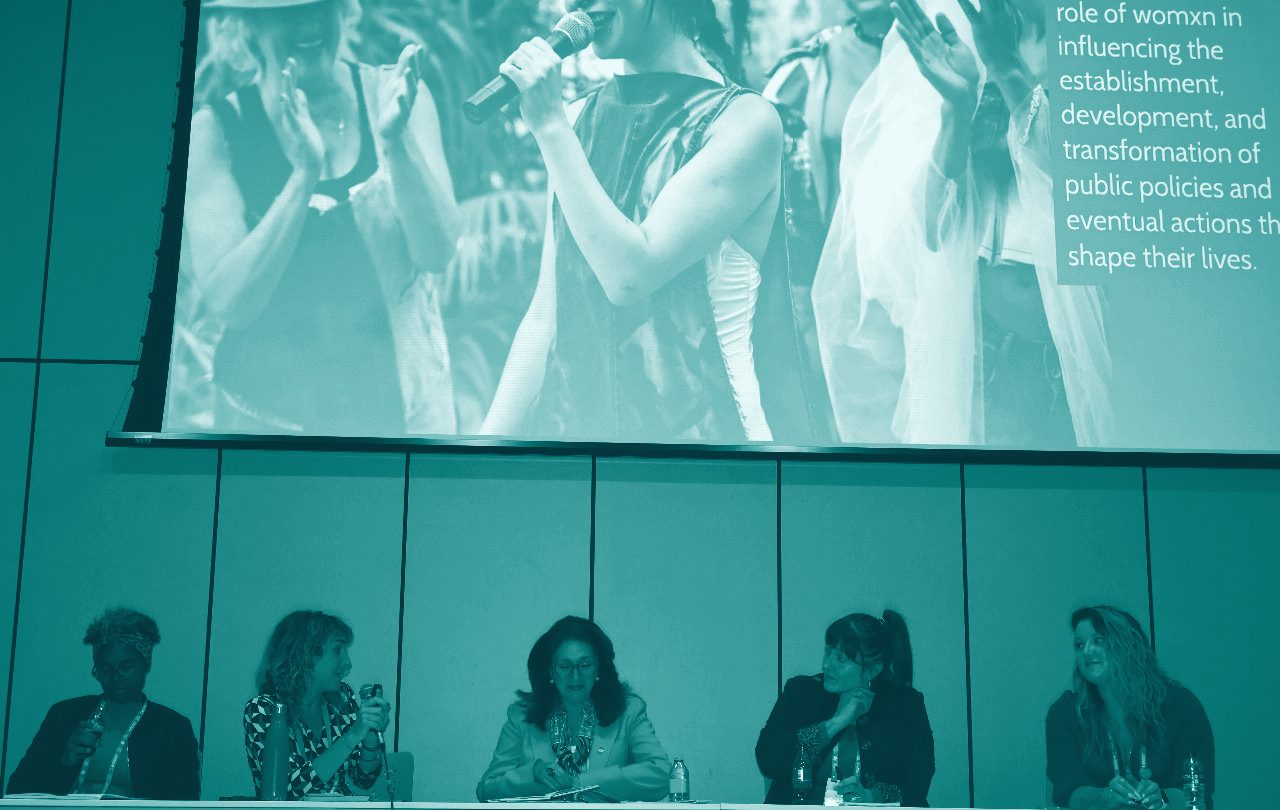
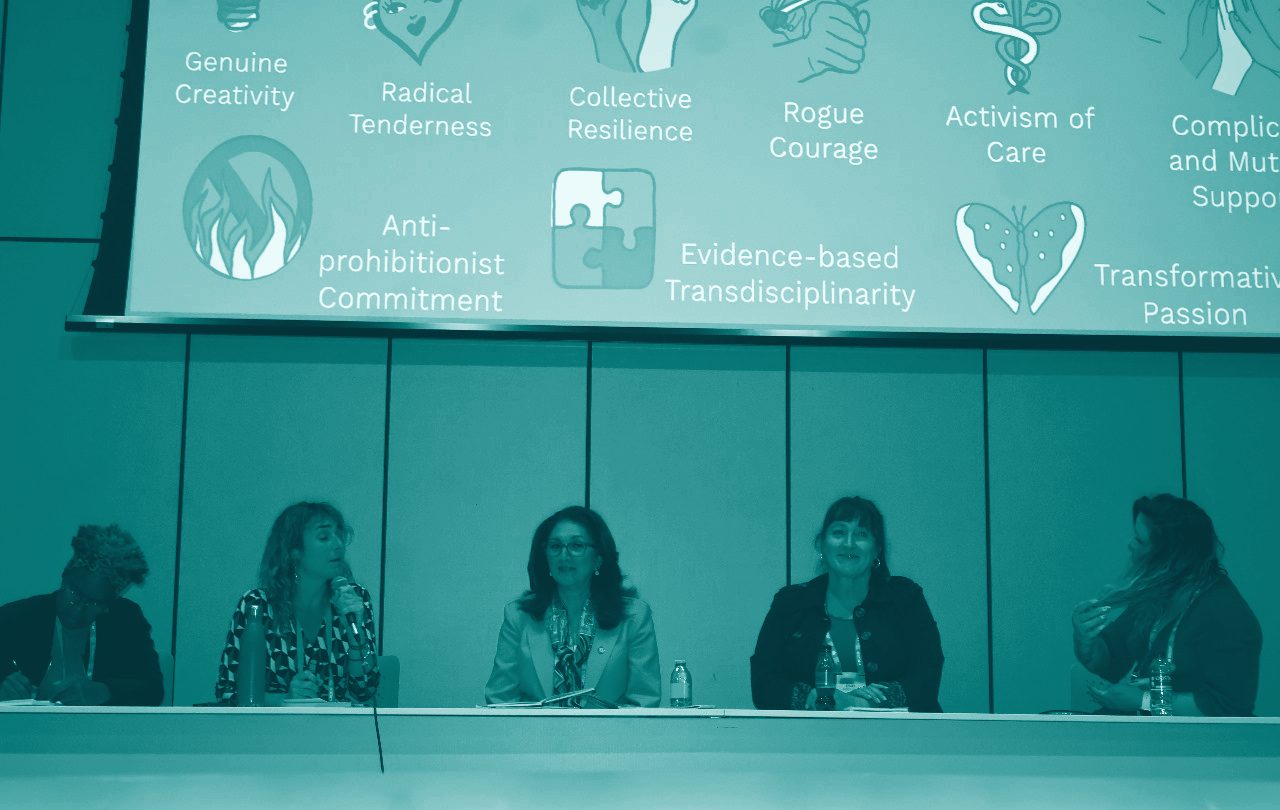
Panel discussion at the International Harm Reduction Conference in Bogotá
International Harm Reduction Conference, Bogotá
Panellists at the International Harm Reduction Conference in Bogotá
International Harm Reduction Conference, Bogotá

Flagship Programme

Track Her Case.

Our flagship closes the gap where GBV systems most often fail: the handovers between the institutions meant to protect survivors. Its live pilot, the Red Dot Process, is working in the Overstrand and dispatched its first case three days after launch.

Live in the field

Overstrand pilot, live since August 2026

  • GBV reporting function activated on an existing municipal Citizen App
  • Non-identifying reference number protects the survivor's identity
  • Statutory handovers mapped and signed off through the Violence Prevention Unit
  • First incident dispatched to law enforcement within three days of going live

Technical capabilities across every programme

Cross-cutting services available to partners in any focus area.

Training design and facilitation

STAND designs and facilitates training for law-enforcement, health, justice and social-services personnel, and for community ambassadors. Recent work includes the first regional Gender and Harm Reduction Workshop for INTERPOL and SARPCCO, with representatives from 11 SADC member states; two-day sensitisation training for Overstrand Law Enforcement and South African Police Service officers; and the training of 31 gender-based violence (GBV) ambassadors.

More on training

Stakeholder engagement and convening

We bring separate institutions to one table and keep them working together. For the Red Dot Process, STAND convened statutory partners through the Western Cape Violence Prevention Unit to map legal mandates, response timelines and handovers. We hosted the national dialogue for Harm Reduction International's South Africa rapid assessment, and convened Decriminalisation of Drug Use: The Plight of the African Woman at the 68th Commission on Narcotic Drugs in Vienna.

More on convening

Rapid assessment and qualitative research

Rapid assessment and situational analysis, qualitative research and key-informant interviewing. STAND led the South Africa country rapid assessment of the impact of donor-funding withdrawal on harm reduction: 34 key-informant interviews, 128 desk reviews and a national dialogue. Its earlier community-based treatment work was run in research partnership with the South African Medical Research Council.

More on research

Policy drafting and technical writing

Technical reports, policy drafts, protocols, proposals and capability statements. Recent outputs include Breaking Point: The Impact of US Funding Cuts on Harm Reduction in South Africa; three published Divest/Invest country studies (South Africa, Mauritius and Ghana); the advocacy report From Field Evidence to National Endorsement, which secured written support from the National Department of Health; and the INTERPOL and SARPCCO report setting out ten regional recommendations.

More on policy and technical writing

Also available

  • Monitoring, evaluation, and learning frameworks
  • Strategic and institutional planning support
  • Proposal and concept-note development
  • Capability statement and positioning document production
  • Technical report writing and documentation
  • Policy drafting and technical advocacy
500+Officials, practitioners and caregivers trained since 2018
11SADC member states at the INTERPOL and SARPCCO regional workshop
31Volunteer GBV ambassadors trained for Track Her Case
R16.9mIn donor funding managed since inception

Our INTERPOL and SARPCCO work was recognised with a formal Letter of Appreciation from the Head of the INTERPOL Regional Bureau for Southern Africa.

Healthcare workers at a Pregnancy and Substance Use Toolkit training
Healthcare worker trainingPregnancy and Substance Use Toolkit.
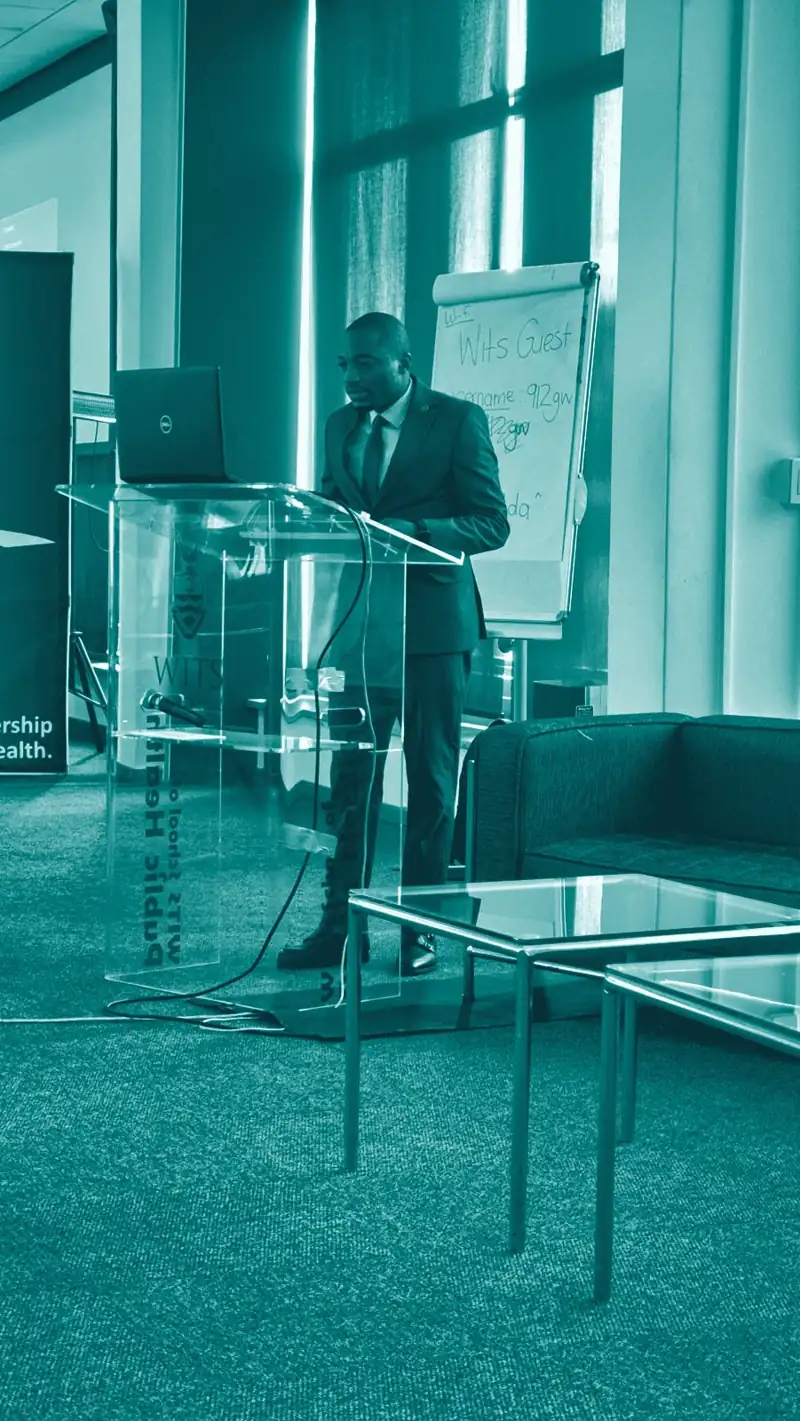
Phiwa Nhlengetfwa of INTERPOL presenting at the regional workshop
INTERPOL and SARPCCOPhiwa Nhlengetfwa, INTERPOL officer assigned to the INTERPOL Regional Bureau for Southern Africa, presenting at the regional Drug Trafficking, Gender Imbalance and Harm Reduction Workshop, hosted at the University of the Witwatersrand School of Public Health, Johannesburg.
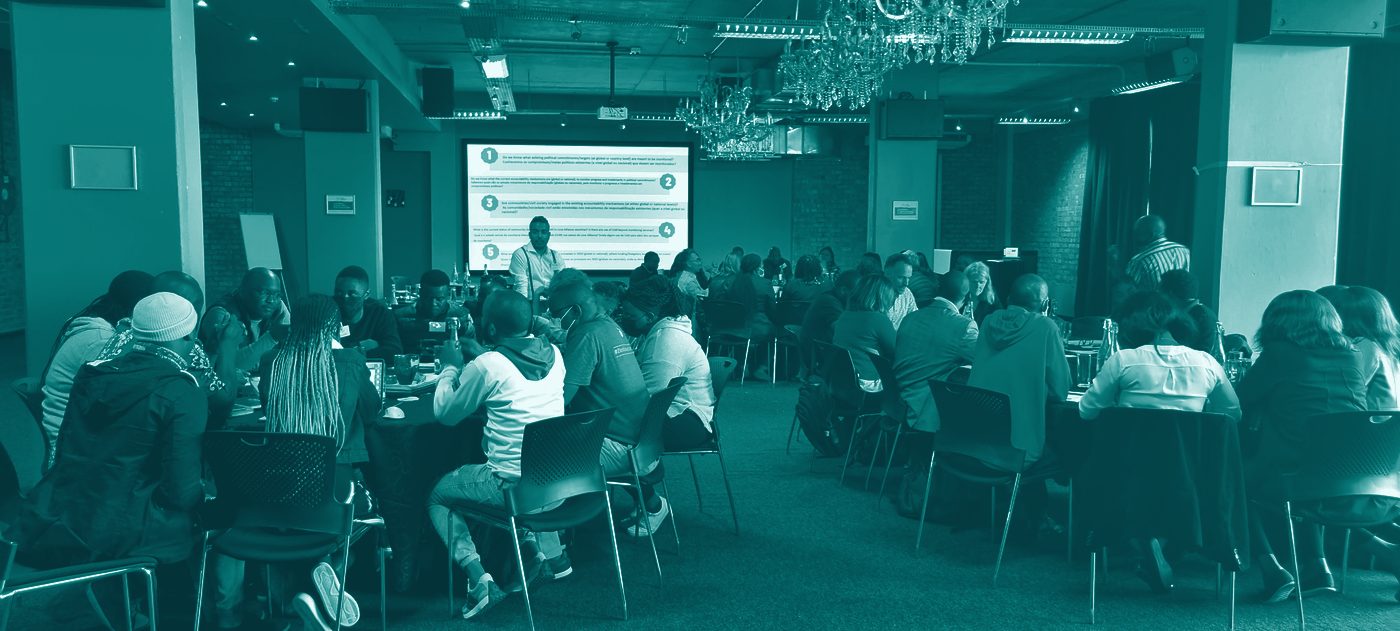
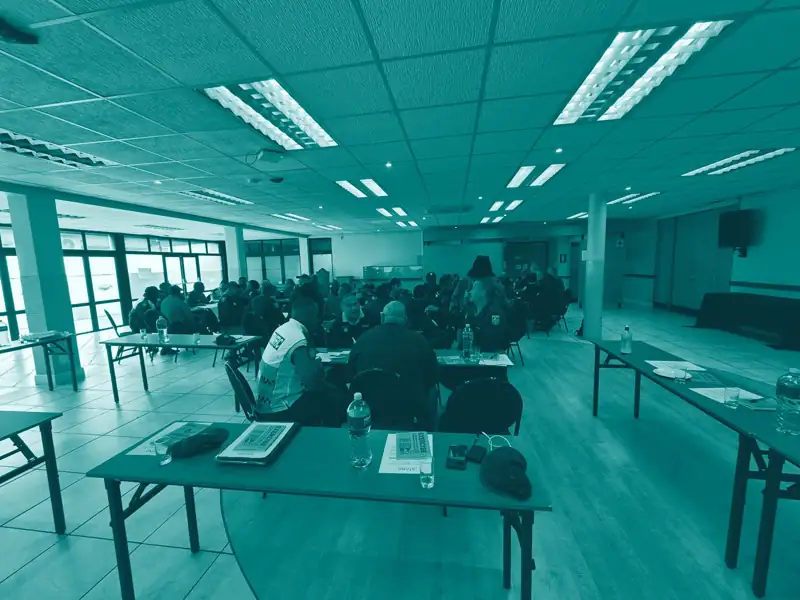
Large training room during a STAND session
Training and facilitation
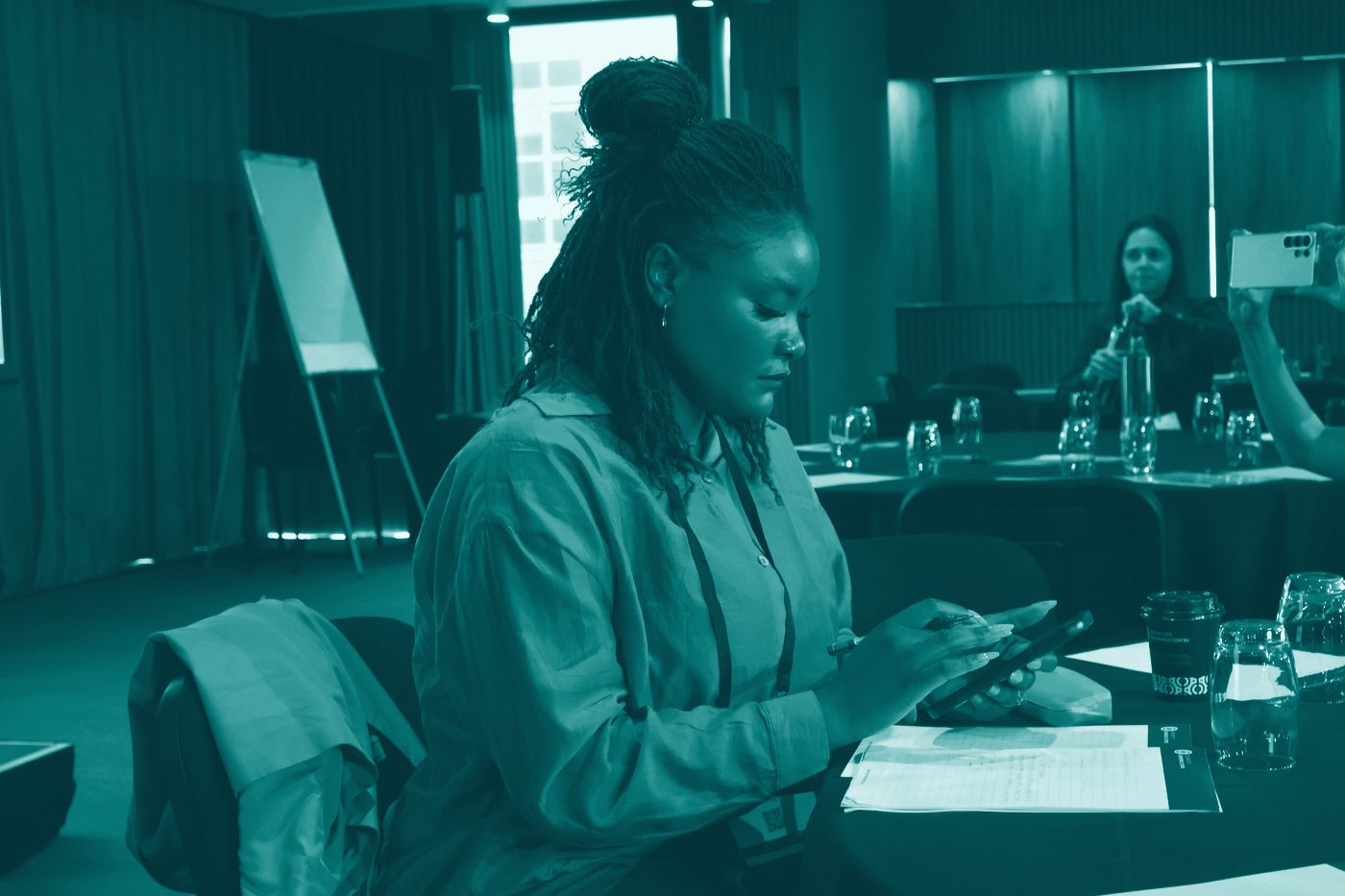
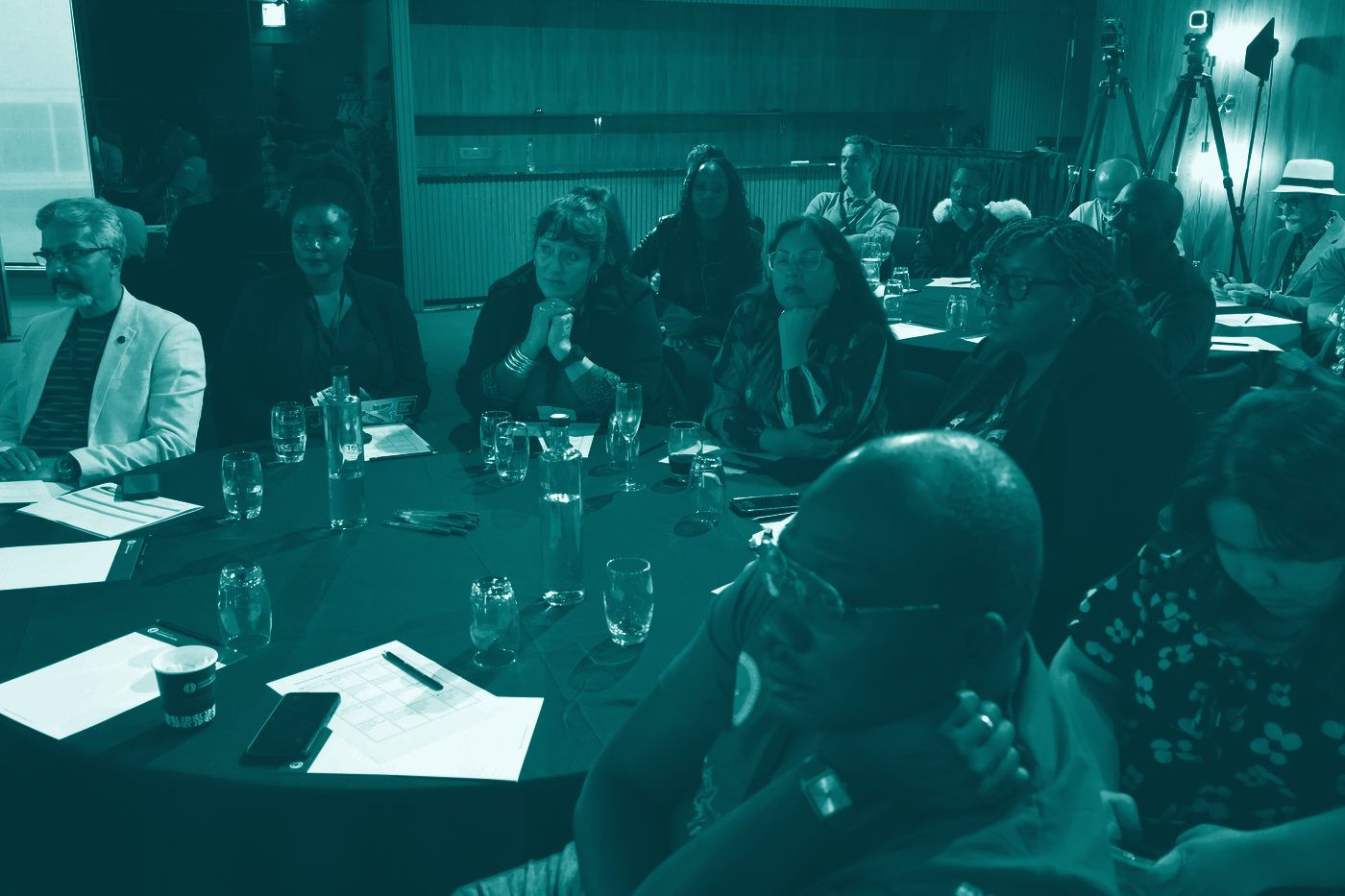
A delegate taking notes at the INHSU conference
INHSU, Cape TownA delegate at a round-table session of the 13th International Conference on Health and Hepatitis in Substance Users, Century City Conference Centre.
Women-led panel presenting STAND's work at the International Harm Reduction Conference
International Harm Reduction Conference, Bogotá
Workshop participants at the University of the Witwatersrand School of Public Health
INTERPOL and SARPCCO
Round-table session at the INHSU conference in Cape Town
INHSU, Cape TownRound-table discussion at the International Network on Health and Hepatitis in Substance Users (INHSU) conference.
Delegate beside the Bogotá sign at the International Harm Reduction Conference
International Harm Reduction Conference, Bogotá
Technical service 01

Training design and facilitation

Who this is for

Law-enforcement agencies, health and social-service departments, justice-sector partners, municipalities and community structures that need their people ready to respond well, and funders who want training that changes practice rather than ticking a box.

What STAND delivers

Training built around the institution that will use it: needs assessment, curriculum and module design, facilitation, train-the-trainer and follow-up. Sessions are interactive, evidence-informed and trauma-informed, and designed for police officers, nurses, social workers and community volunteers working under real pressure. Every module is tested against the time, resources and culture of the people in the room.

Recent work

The first regional Gender and Harm Reduction Workshop for INTERPOL and SARPCCO, with representatives from 11 SADC member states, recognised with a formal Letter of Appreciation from the Regional Bureau. Two-day sensitisation training for Overstrand Law Enforcement and South African Police Service officers. Pregnancy and Substance Use Toolkit training for healthcare workers. Training for the 31 volunteer GBV ambassadors who support Track Her Case. In all, more than 500 officials, practitioners and caregivers trained since 2018.

Law-enforcement officers at a STAND training session
OverstrandLaw-enforcement training.
GBV ambassadors at a training session
OverstrandTraining for volunteer GBV ambassadors.
Health workers around a table with the Pregnancy and Substance Use Toolkit
Healthcare worker trainingPregnancy and Substance Use Toolkit.
Technical service 02

Stakeholder engagement and convening

Who this is for

Government departments, municipalities, civil society and funders who need several institutions working from one plan, especially where mandates overlap and handovers break down.

What STAND delivers

We design and facilitate multi-stakeholder processes: mapping who holds which mandate, agreeing handovers and response timelines, running dialogues and working sessions, and keeping partners accountable to what they agreed. We bring separate institutions to one table and keep them working together, without changing anyone's mandate.

Recent work

For the Red Dot Process, STAND convened statutory partners through the Western Cape Violence Prevention Unit to map legal mandates, response timelines and handovers across police, health, social development, prosecutors and the courts. Our stakeholder workshops in the Overstrand led to a standing inter-agency referral line through the Violence Prevention Unit. We hosted the national dialogue for Harm Reduction International's South Africa rapid assessment, and convened Decriminalisation of Drug Use: The Plight of the African Woman at the 68th Commission on Narcotic Drugs in Vienna.

Partners around the table at a Violence Prevention Unit meeting
Violence Prevention UnitMeeting with the Violence Prevention Unit.
Panel at the national dialogue for the HRI country rapid assessment
National dialogueHarm Reduction International South Africa rapid assessment.
Delegates on stage at the 68th Commission on Narcotic Drugs, Vienna
CND, Vienna68th Commission on Narcotic Drugs.
Technical service 03

Rapid assessment and qualitative research

Who this is for

Funders, government and international partners who need a clear, honest picture of what is happening on the ground before they decide where to invest or what to change.

What STAND delivers

Rapid assessment and situational analysis, qualitative research, key-informant interviews, focus groups, desk review and community-based surveys, ending in clear findings and practical recommendations. We work quickly and ethically, protect the people who speak to us, and report conservatively.

Recent work

STAND led the South Africa country rapid assessment of the impact of donor-funding withdrawal on harm reduction for Harm Reduction International: 34 key-informant interviews, 128 desk reviews and a national dialogue, published as Breaking Point. Our earlier community-based treatment work was run in research partnership with the South African Medical Research Council, and we work in research partnership with the University of Cape Town. Red Dot hotspot mapping and focus groups informed the design of Track Her Case.

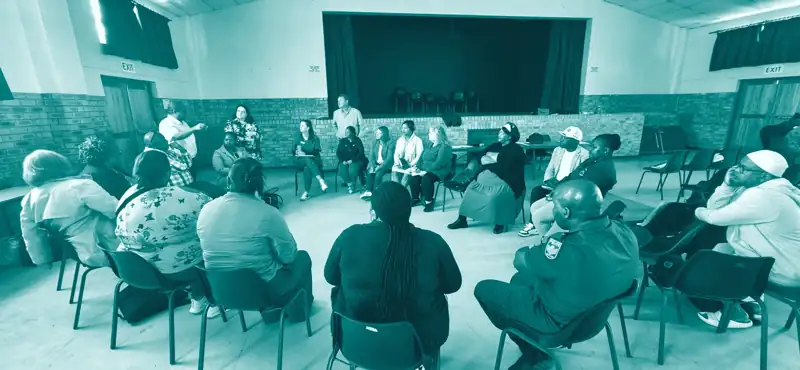
Overstrand role players in a focus group circle
OverstrandRed Dot focus group with local role players.
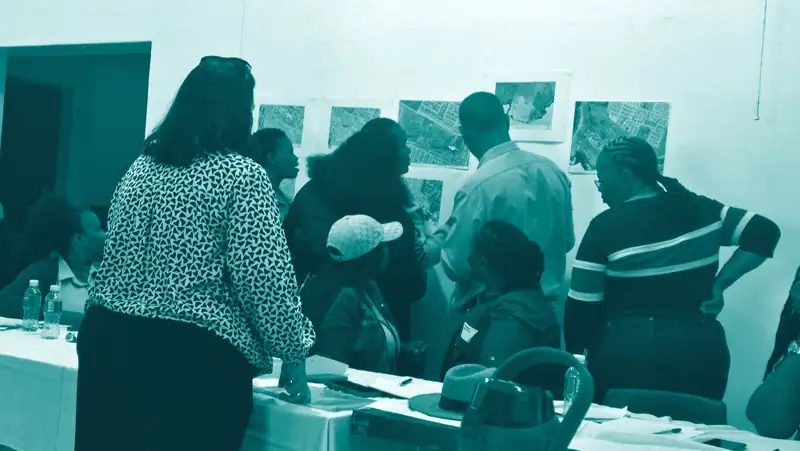
Hotspot mapping with GBV ambassadors
OverstrandRed Dot hotspot mapping with GBV ambassadors and Overstrand Municipality.
Technical service 04

Policy drafting and technical writing

Who this is for

Funders, government departments, international agencies and civil society partners who need writing that is accurate, well evidenced and ready to act on.

What STAND delivers

Technical reports, policy drafts, protocols, proposals, concept notes, capability statements and advocacy reports. We write for the reader who has to make the decision, so every document is clear, conservative with its claims and grounded in what the evidence actually shows.

Recent work

Breaking Point: The Impact of US Funding Cuts on Harm Reduction in South Africa, and three published Divest/Invest country studies (South Africa, Mauritius and Ghana) for Harm Reduction International. The advocacy report From Field Evidence to National Endorsement, which secured written support from the National Department of Health for the Pregnancy and Substance Use Toolkit. The INTERPOL and SARPCCO report setting out ten regional recommendations.

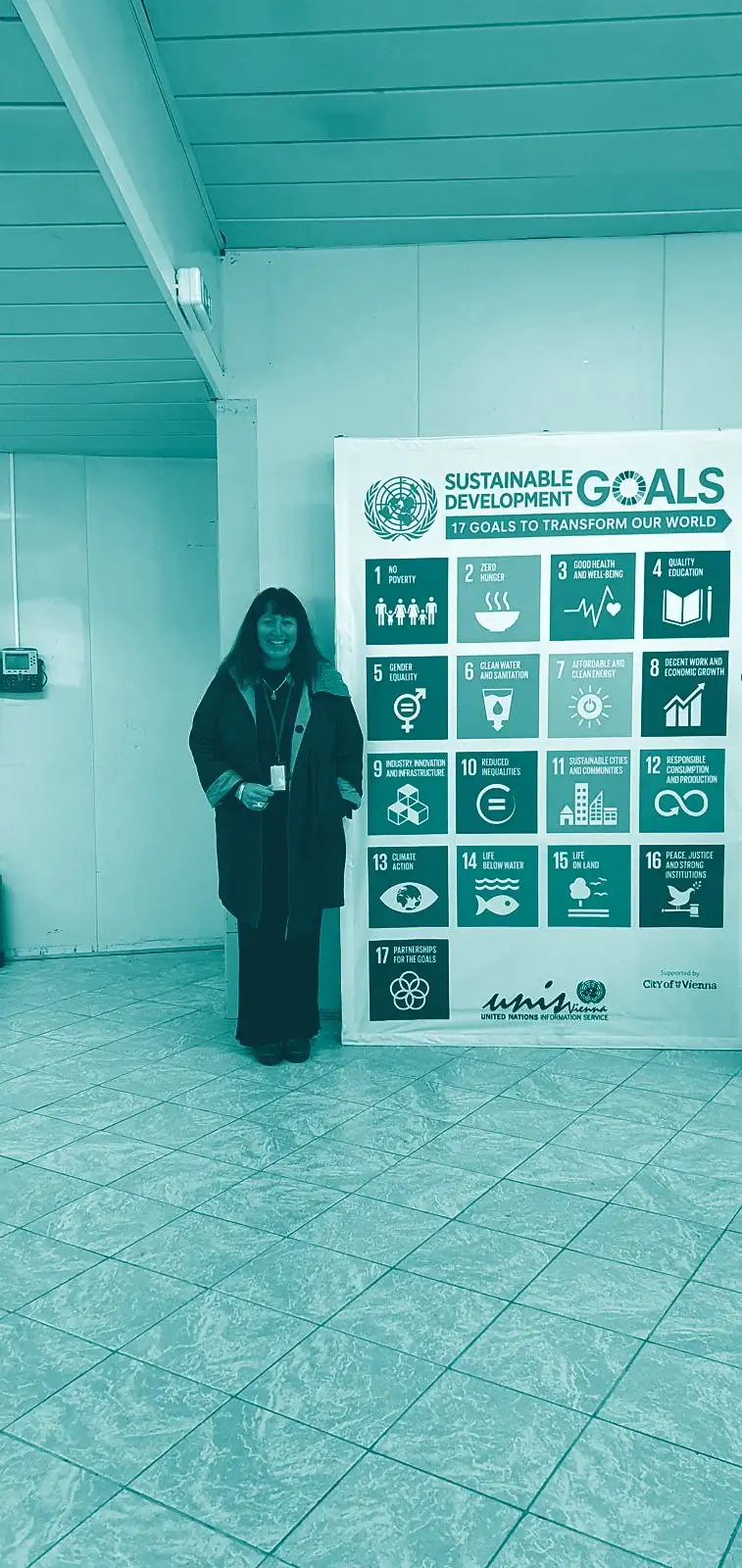
Stacey Doorly-Jones beside the UN Sustainable Development Goals board in Vienna
United Nations, ViennaStacey Doorly-Jones at the Commission on Narcotic Drugs.
Women-led panel presenting STAND's work at the International Harm Reduction Conference
International Harm Reduction Conference, BogotáPresenting STAND's work.

Need a technically credible implementation partner?

STAND scopes every engagement specifically, from short technical assignments to multi-year programme partnerships. Scope is agreed, outputs are specified, and reporting is thorough, transparent and evidence-based.